In today’s turbulent labor market, recruiters are under more pressure than ever to deliver high-quality hires quickly. Candidates have more options, job postings compete in crowded digital spaces, and hiring managers expect actionable insights, not just gut feelings. The solution? Real-time data. When leveraged strategically, real-time insights allow talent acquisition teams to understand candidate behavior, fine-tune sourcing strategies, and optimize conversions at every stage of the hiring funnel.
Let’s explore how to move from reactive recruiting to a proactive, data-driven talent acquisition approach and turn clicks into hires more efficiently.
Understanding the Talent Funnel
Before diving into data, it’s essential to define the talent funnel. The funnel represents the journey a candidate takes from first engagement with your employer brand to ultimately accepting an offer. While each organization may break it down slightly differently, the funnel typically includes:
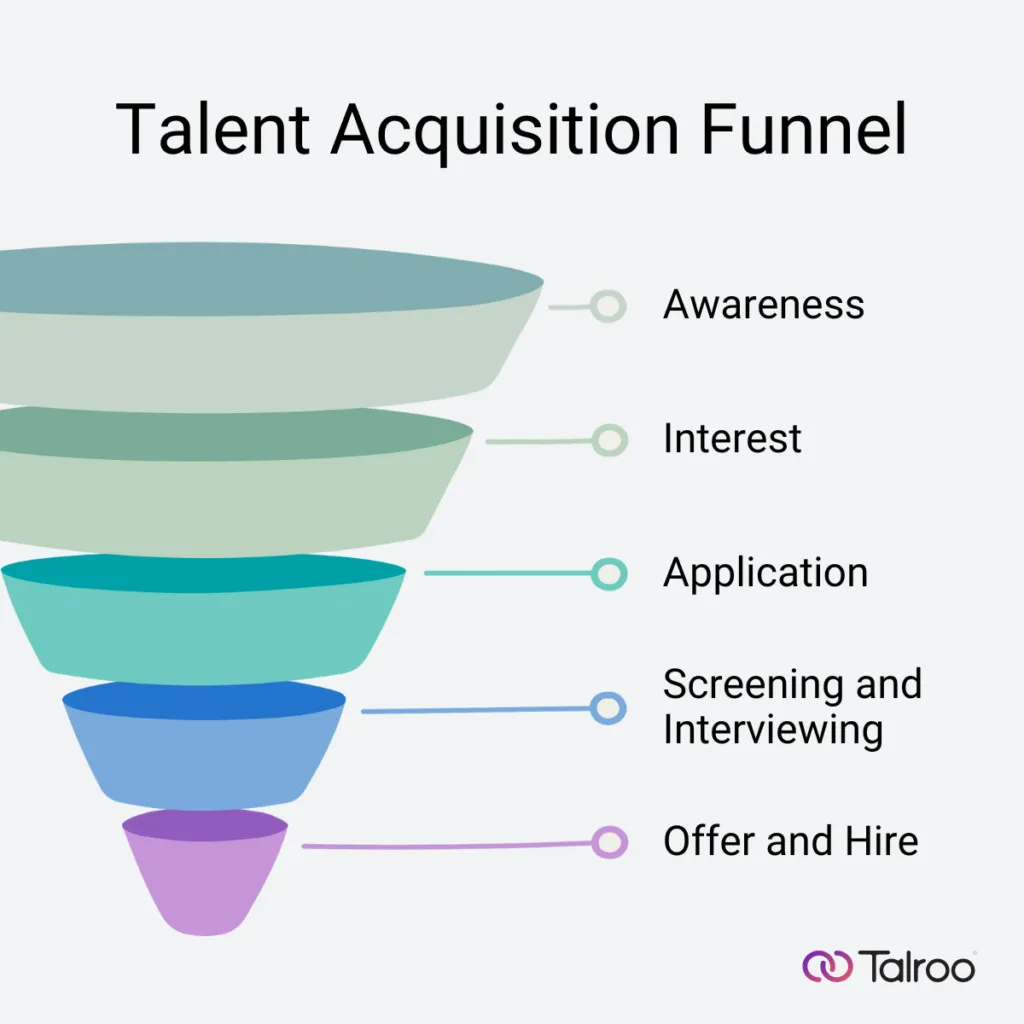
At each stage, candidates may drop off for various reasons: slow response times, unclear job descriptions, or a poor application experience. The key is to identify these drop-off points and adjust your approach before they cost you top talent.
Why Real-Time Data Matters
Traditional recruiting often relies on historical data: past time-to-fill, conversion rates from previous campaigns, or general industry benchmarks. While useful, these metrics don’t reflect the dynamic realities of today’s candidate market. Real-time data, on the other hand, gives us immediate insights that let recruiters act quickly. This can include:
By monitoring these metrics in real time, recruiters can pivot strategies before losing momentum. For example, if an ad on a specific job board isn’t generating clicks, adjustments to the creative, targeting, or budget can be made immediately. Likewise, if candidates are dropping off mid-application, recruiters can investigate friction points (whether the form is too long, unclear, or mobile-unfriendly) and optimize the process on the fly.
Tracking Ad Performance Across Channels
The first step in leveraging real-time data is understanding which channels drive candidates to your job postings. Digital recruitment advertising allows you to measure click-through rates (CTR), cost-per-click (CPC), and application conversion rates by channel.
Practical tips for channel optimization:
With this approach, recruiters can stop guessing and start investing in channels that truly deliver results.
Reducing Drop-Off in the Application Process
Once candidates click on a job posting, the next challenge is keeping them engaged through the application process. Real-time data helps identify where candidates abandon applications and why.
Common friction points include:
Using real-time analytics, recruiters can spot drop-offs instantly. For instance, if data shows candidates consistently leave at the resume upload stage, your team can investigate file format issues or simplify the process. Even small adjustments, like enabling LinkedIn profile imports or reducing required fields, can significantly increase conversion rates.
Improving Time-to-Hire Through Real-Time Insights
Time-to-hire is a critical metric for talent acquisition teams. Extended hiring timelines not only risk losing candidates to competitors but also increase operational costs. Real-time data allows recruiters to identify bottlenecks in the process, such as:
By tracking each stage in real time, teams can proactively address delays. Automated reminders, streamlined interview scheduling, and faster feedback loops are all tactics enabled by data visibility. The result? A more efficient hiring process and a better candidate experience.
Leveraging Predictive Analytics
Beyond observing current performance, real-time data can feed predictive analytics to anticipate candidate behavior. For example:
These insights allow talent acquisition teams to act proactively, whether reallocating resources to high-performing channels or preemptively engaging candidates at risk of disengaging.
From Reactive to Proactive Recruiting
The ultimate goal of real-time data is to shift recruiting from a reactive to a proactive function. Rather than responding to slow application rates or unqualified applicants after the fact, recruiters can anticipate issues and act immediately. This approach:
When recruiters integrate real-time insights into daily workflows, they can make faster, smarter decisions that directly impact hiring outcomes.
Practical Steps to Implement Real-Time Data in Your Recruiting Process
In a competitive hiring landscape, the organizations that win top talent are those that can move faster, adapt quickly, and make data-driven decisions. Real-time insights give talent acquisition teams the visibility needed to identify drop-offs, optimize sourcing, and improve conversions at every stage of the hiring funnel.
From tracking ad performance to streamlining applications and speeding up time-to-hire, real-time data empowers recruiters to shift from reactive problem-solving to proactive strategy. The result is simple: fewer missed opportunities, more qualified candidates, and hires that happen faster and smarter.
The journey from click to hire doesn’t have to be a guessing game. With the right real-time insights, your talent funnel can become a powerful, data-driven engine for recruiting success.
If you enjoyed this article, you might also like:
Personalization at Scale: Turning Data-Driven Insights into Recruiting Success | Talroo
Recruiting Metrics: Applicant and Interview to Hire Ratios | Talroo
Tagged with
Recent Posts
Categories
Tags